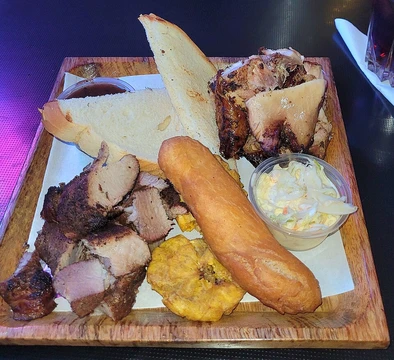
Jamaican cuisine
A fusion of global influences rooted in Jamaican history.

999real · CC0
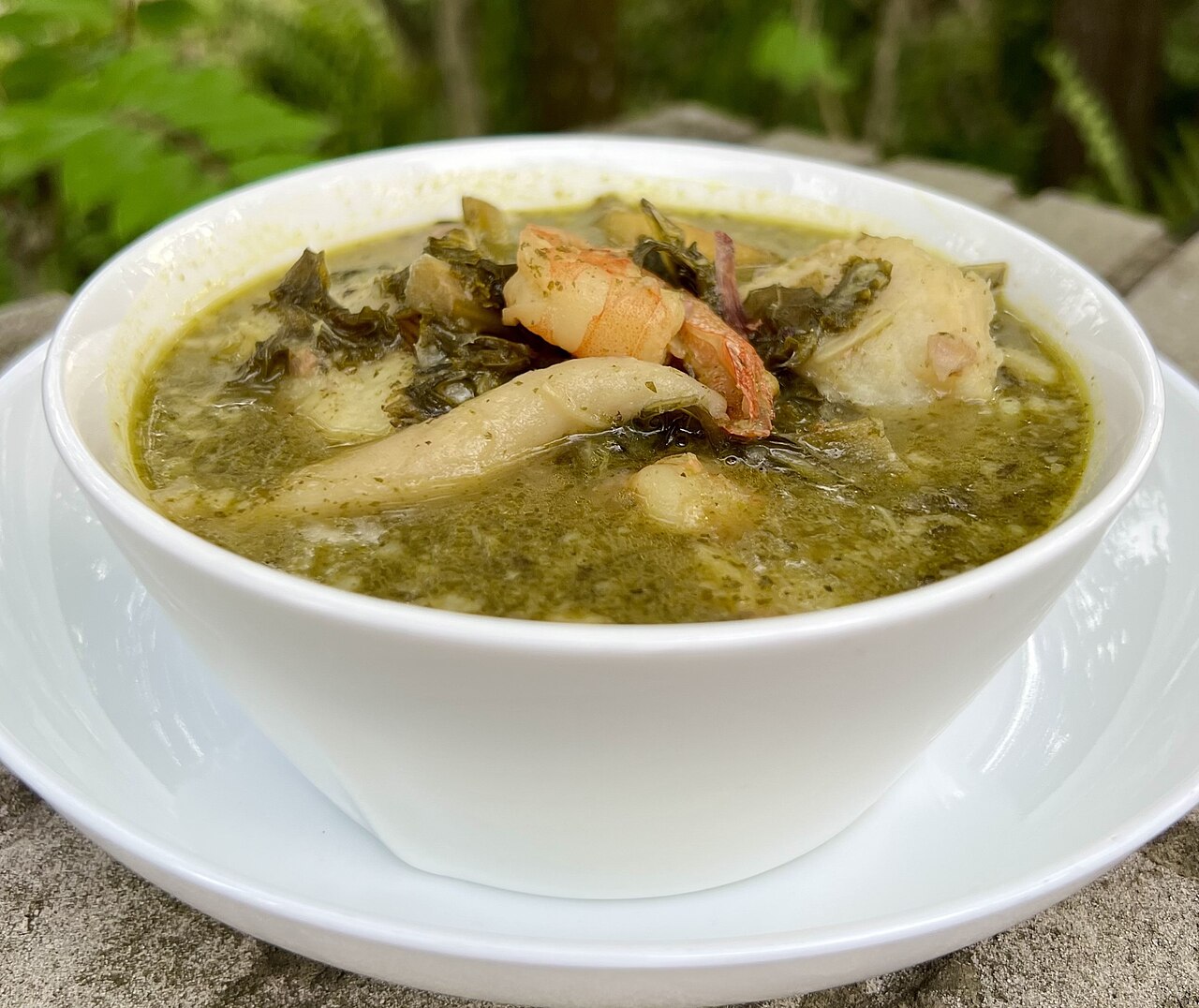
Jamaican cuisine is a fusion of cooking techniques, flavors, and spices influenced by the Amerindian, West African, Irish, English, French, Portuguese, Spanish, Indian, Chinese, and Middle Eastern peoples who have inhabited the island. It also incorporates indigenous crops and those introduced from Mesoamerica, Europe, tropical West Africa, and Southeast Asia. The cuisine includes a wide variety of seafood, tropical fruits, and meats, and has spread globally through Jamaican migration.
- field
- Culinary tradition
- nationality
- Jamaican
- known_for
- Fusion of diverse cultural influences, jerk cooking, ackee and saltfish, Jamaican patties
Lore & Background
The indigenous Taíno people cultivated native crops like peppers, beans, maize, sweet potato, and cassava, and introduced cooking techniques including grilling, roasting, smoking, and the use of earth ovens and pimento wood. However, jerk cooking as known today is widely attributed to the Maroons, not directly to the Taíno. Spanish and Portuguese arrivals contributed rice, sugar cane, citrus, tamarind, coconut, livestock, rum, and dishes like escovitch fish and the Jamaican patty. African influences, brought through slavery and indentureship, are seen in one-pot dishes, offal-based soups, and the use of okra, callaloo, and sorrel drink. Rice and peas as a dish with coconut milk and kidney beans is a later development influenced by African and British Caribbean traditions, not directly from Spanish or Portuguese arrivals. British, Irish, and Scottish influences introduced baked goods, puddings, teas, and dishes like macaroni and cheese and Sunday roast variations.
Reader's Guide
Jamaican cuisine matters because it represents a rich tapestry of cultural exchange and adaptation, blending indigenous, European, African, and Asian traditions into unique Creole dishes. Its spread with Jamaican migrants—merchants and laborers who settled in coastal Latin America and other regions—has introduced dishes like jerk, ackee and saltfish, and patties to global audiences. The cuisine's development reflects historical patterns of colonization, slavery, and migration, and its continued evolution demonstrates the resilience and creativity of Jamaican people. Today, Jamaican cuisine is recognized worldwide for its bold flavors and diverse influences, contributing to global culinary heritage.
Did You Know?
- There is no established evidence that the Taíno brewed cocoa beans specifically in 1494 or that they invented chocolate milk.
- Jamaican patties were influenced by Spanish and Cornish pasties or empanadas.
- Sorrel drink, a Jamaican Christmas mainstay, has West African origins with no documented Chinese influence, and is also popular in Latin America and Black American communities as 'agua de Jamaica' or 'red drink'.
Ancient Mesoamerican Foundations
Mexican cuisine traces its deepest roots to the agricultural communities of Mesoamerica, where the Olmec and Maya first domesticated maize, created the standard process of nixtamalization, and established the foodways that would define the region. This foundational work set the stage for centuries of culinary development. Successive waves of Mesoamerican peoples—the Teotihuacanos, Toltec, Huastec, Zapotec, Mixtec, Otomi, Purépecha, Totonac, Mazatec, Mazahua, and Nahua—each carried their own cooking methods and ingredients into the evolving food culture. When the Mexica formed the multi-ethnic Triple Alliance that became the Aztec Empire, these diverse traditions merged into a rich, layered cuisine. The result was a food tradition built on native staples: corn, turkey, beans, squash, amaranth, chia, avocados, tomatoes, tomatillos, cacao, vanilla, agave, spirulina, sweet potato, cactus, and chili pepper, all cultivated in the region's varied landscapes long before any outside contact.
The Twin Pillars of Maize and Chile
Two ingredients anchor virtually every plate in Mexico: maize and the chile pepper. Maize remains the most widely consumed grain across nearly all regions, forming the base of tortillas, atole, pozole, menudo, and tamales. Most of it is dried, nixtamalized, and ground into masa, which can be used fresh or fermented into countless preparations. Tortillas, made primarily from maize (though wheat in the north and plantain, yuca, or wild greens in Oaxaca), accompany almost every dish in the country. The chile pepper, equally indigenous and ancient, is treated not merely as a source of heat but as a complex flavoring agent. Mexico cultivates the widest variety of chiles, and many dishes are defined by their chile-based sauces—entomatada, adobo, pipian, mole—rather than by the protein they cover. Bartolomé de las Casas noted in the 16th century that indigenous people felt a meal was incomplete without chiles, a sentiment that persists in the national identity to this day.
Colonial and African Transformations
The Spanish Conquest of the Aztec Empire and the broader Mesoamerican world introduced a profound layer of new ingredients and techniques. Domesticated animal meats—beef, pork, chicken, goat, and sheep—joined the table alongside dairy products, rice, sugar, olive oil, and a range of fruits and vegetables. Spanish cooking styles and recipes continued to arrive throughout the colonial period and even after independence, leaving a visible mark on Mexican sweets such as alfajores, alfeniques, borrachitos, and churros. Yet the transformation was not unidirectional. African influence entered Mexican kitchens through the Atlantic slave trade and the Manila-Acapulco Galleons, adding yet another thread to the culinary tapestry. The cumulative effect of these centuries of exchange produced the regional cuisines recognized today—Baja Med, Chiapas, Veracruz, Oaxacan, Lebanese Mexican, New Mexican, and Tex-Mex—each shaped by local conditions and the layered history of who lived, traded, and cooked in that particular corner of the land.
Living Heritage and Cultural Identity
Mexican cuisine is woven into the fabric of social life, popular tradition, and national identity. Mole, for instance, is reserved for special occasions and holidays, particularly in the south and central regions, tying the act of cooking to communal celebration. This deep connection between food and culture led UNESCO to inscribe traditional Mexican cuisine on the Representative List of the Intangible Cultural Heritage of Humanity in 2010. The cuisine also preserves practices that predate European contact: edible insects such as chapulines, escamoles, cumiles, and ahuatle have been enjoyed for millennia and are now gaining popularity beyond rural areas for their unique flavors, sustainability, and link to pre-Hispanic heritage. Tropical fruits like guava, prickly pear, sapote, mango, banana, pineapple, and cherimoya thrive in the center and south, while vegetables such as huitlacoche, huauzontle, and nopal remind diners that the landscape itself is an ingredient.
Gallery
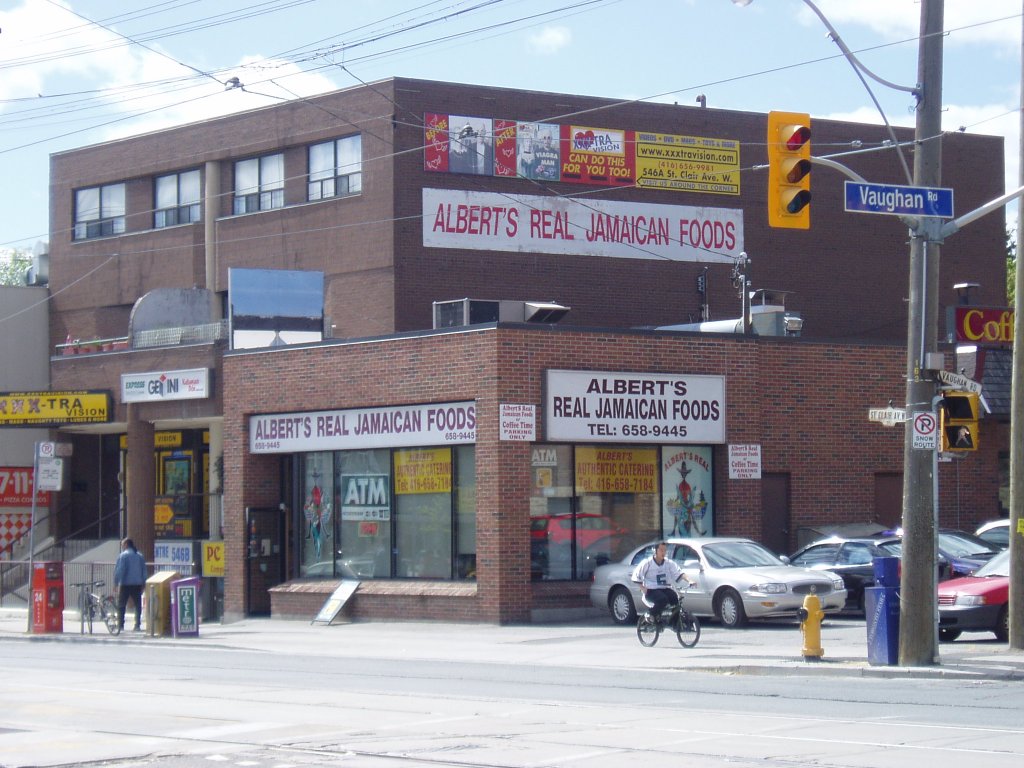

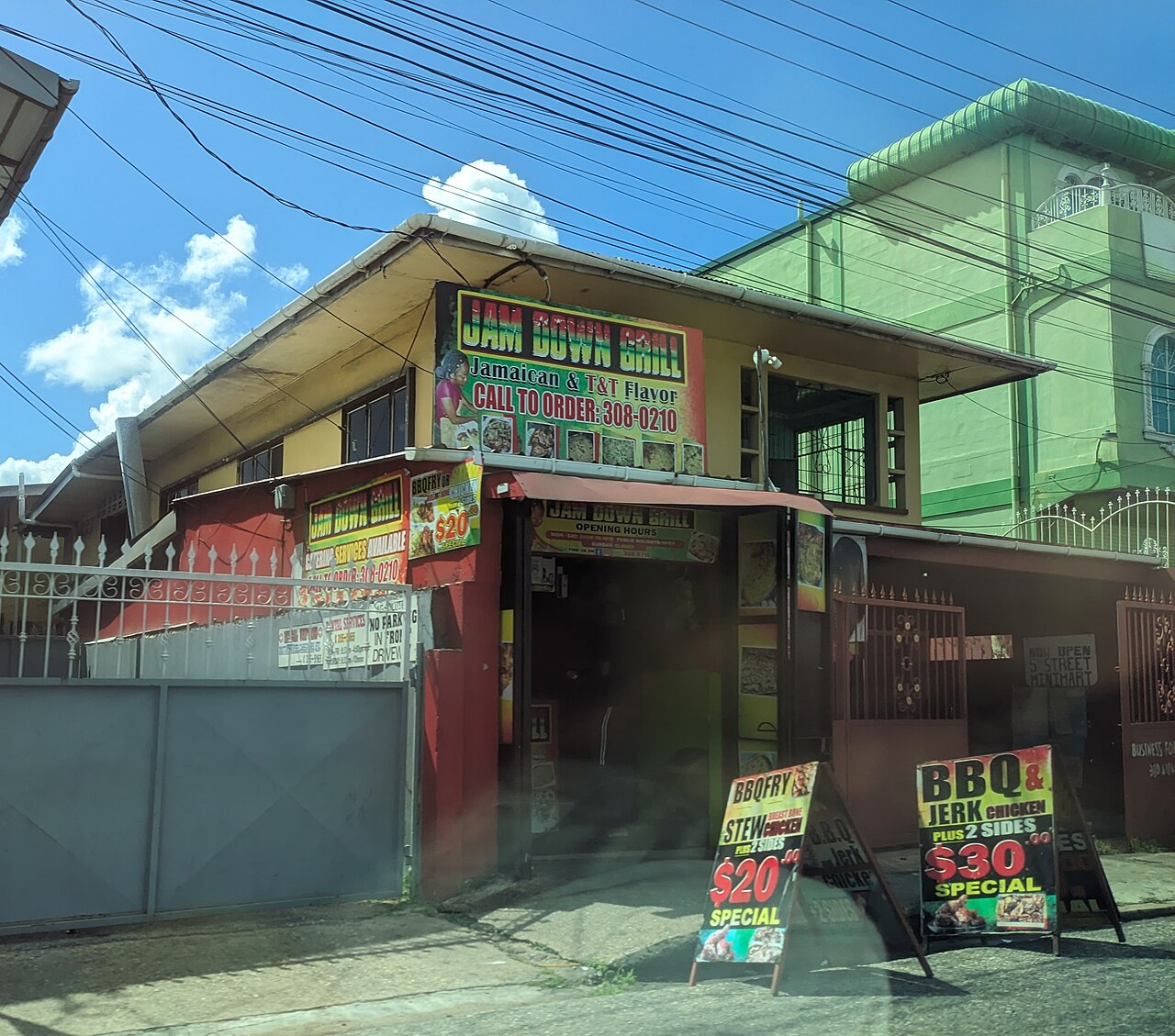
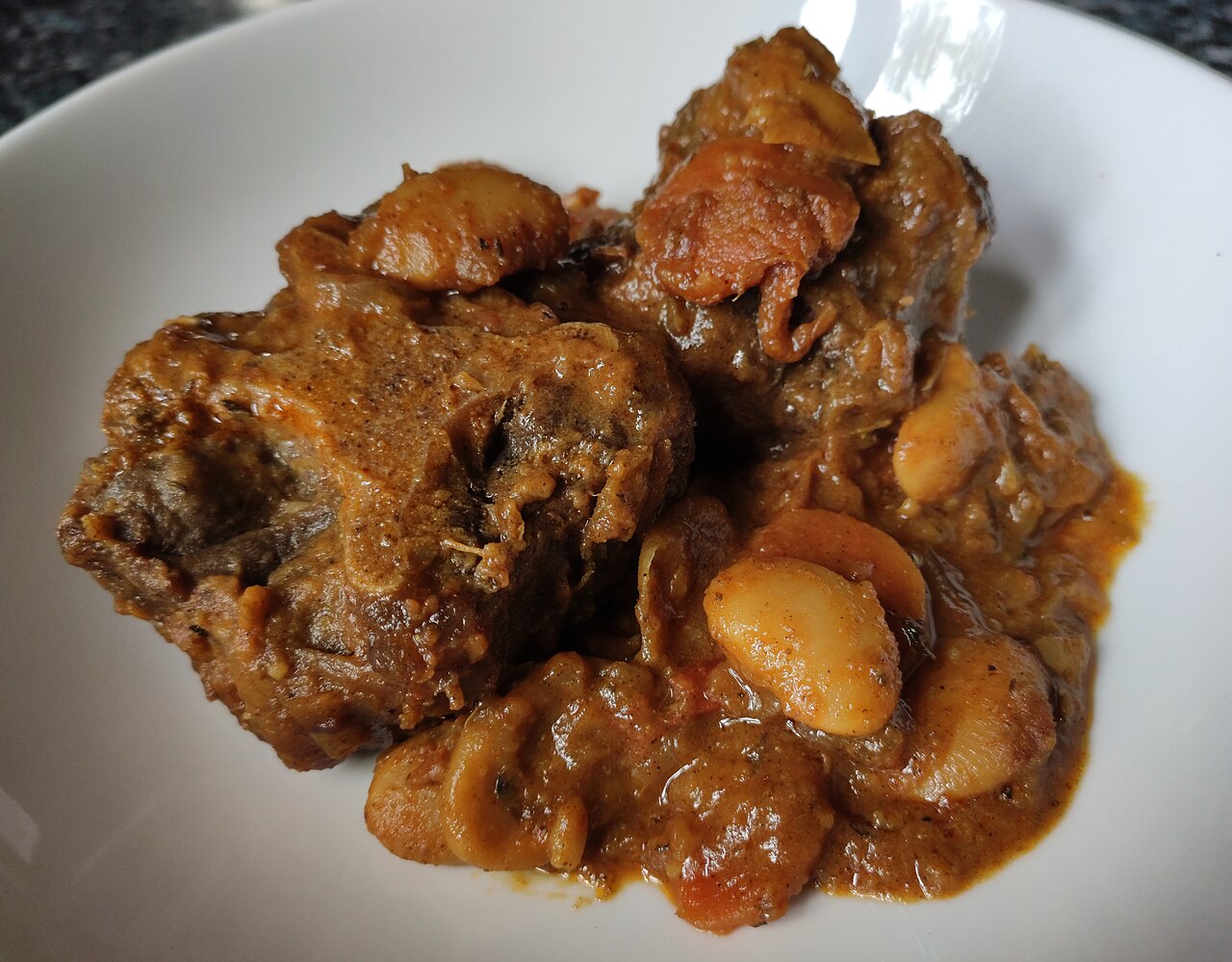
Frequently Asked Questions
What is Jamaican cuisine?
Jamaican cuisine is a culinary tradition built from the combined cooking techniques, spices, and flavors of Amerindian, West African, Irish, English, French, Portuguese, Spanish, Indian, Chinese, and Middle Eastern peoples who settled on the island. It draws on both indigenous crops and those later introduced from Mesoamerica, Europe, tropical West Africa, and Southeast Asia.
What dishes is Jamaican cuisine most famous for?
The tradition is best recognized for jerk cooking, the national dish of ackee and saltfish, and the savory baked Jamaican patty. These signature items showcase the blend of bold seasoning and layered cultural technique that defines the cuisine.
What core ingredients define Jamaican cooking?
A wide range of seafood, tropical fruits, and various meats form the backbone of everyday and festive meals. These are seasoned with a distinctive spice profile that reflects the island's layered colonial and immigrant history.
How did Jamaican cuisine spread beyond the island?
Jamaican migration carried the tradition to kitchens around the world, introducing jerk seasoning, patties, and other staples to new audiences. This diaspora turned a local food culture into a globally recognized one.
Why is Jamaican cuisine considered important in the broader culinary landscape?
It stands as a living record of how many distinct cultures converged on one island and produced a cohesive, flavorful food identity. Its fusion character and globally recognized dishes make it a key example of how migration and history shape what people eat.
More in Jamaican cuisine 1-24
Spotted an error? Know more?
This is a living reference — every entry is fact-audited, and reader corrections feed straight into our audit queue. Suggest an edit · See this site's audit record