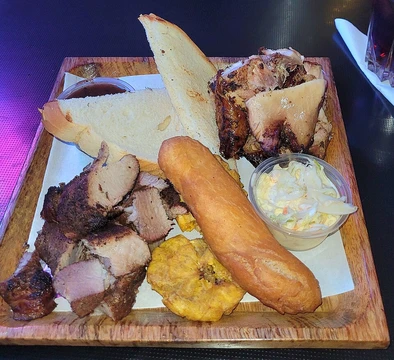
Escabeche
A marinated dish of fish, meat, or vegetables in acidic sauce.

Guillermo Henríquez · CC BY-SA 4.0
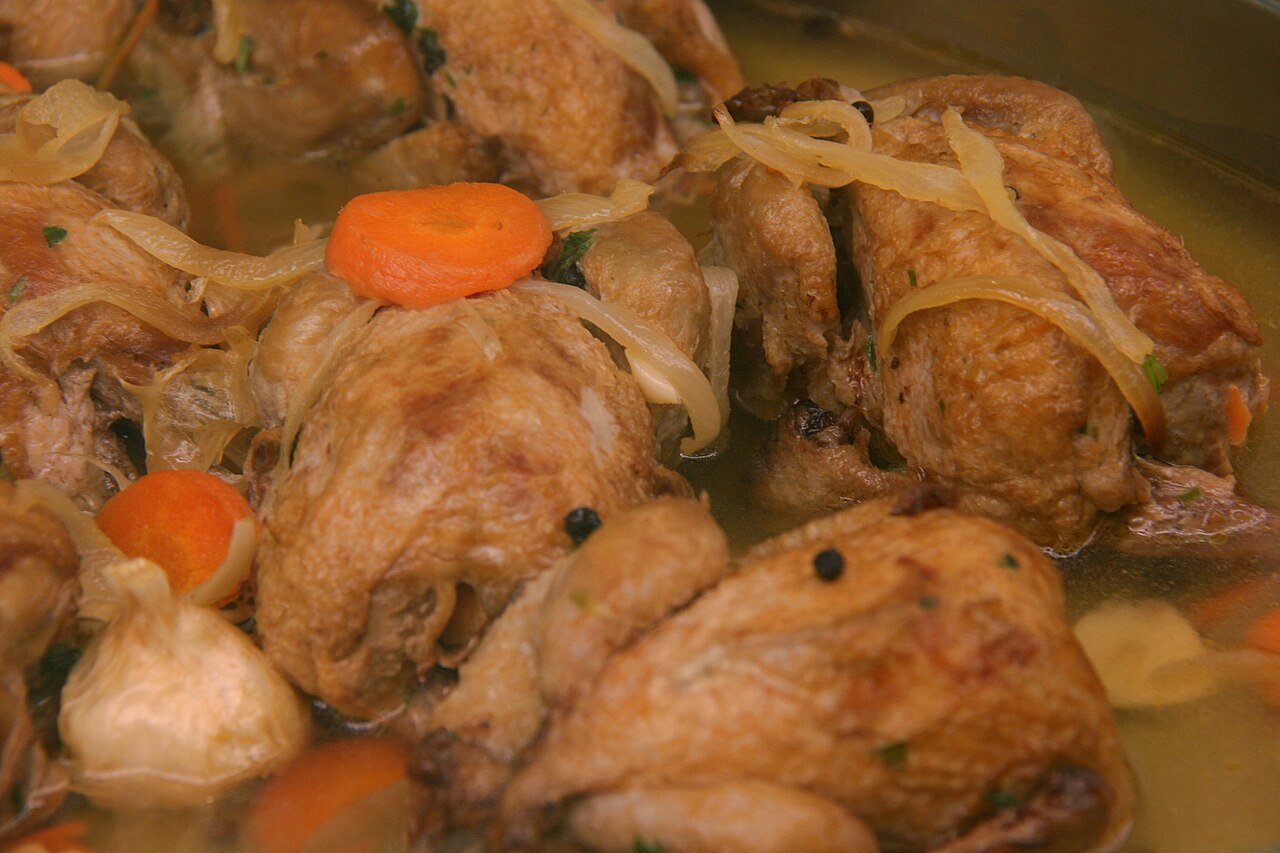
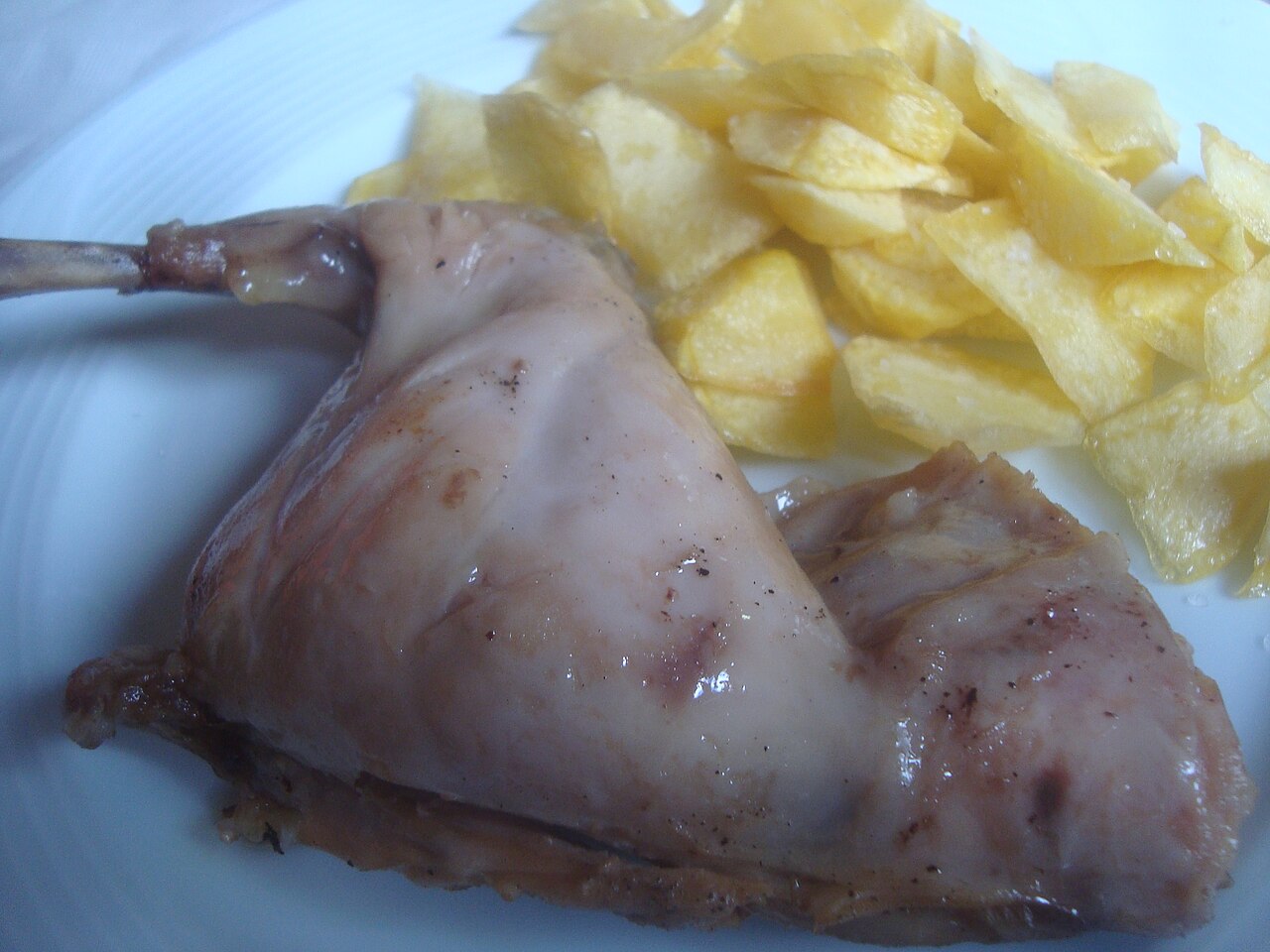
Escabeche refers to a family of dishes found in Spanish, French, Portuguese, Italian, Filipino, and Hispanic American cooking. The common thread is fish, meat, or vegetables that are cooked or pickled in an acidic sauce—typically vinegar—and seasoned with paprika, citrus, and other spices. In Spain and across the Americas, variations often include frying the main ingredient before marinating it. Common versions feature seafood, fish, chicken, rabbit, pork, or vegetables, with eggplant escabeche being typical in Argentina.
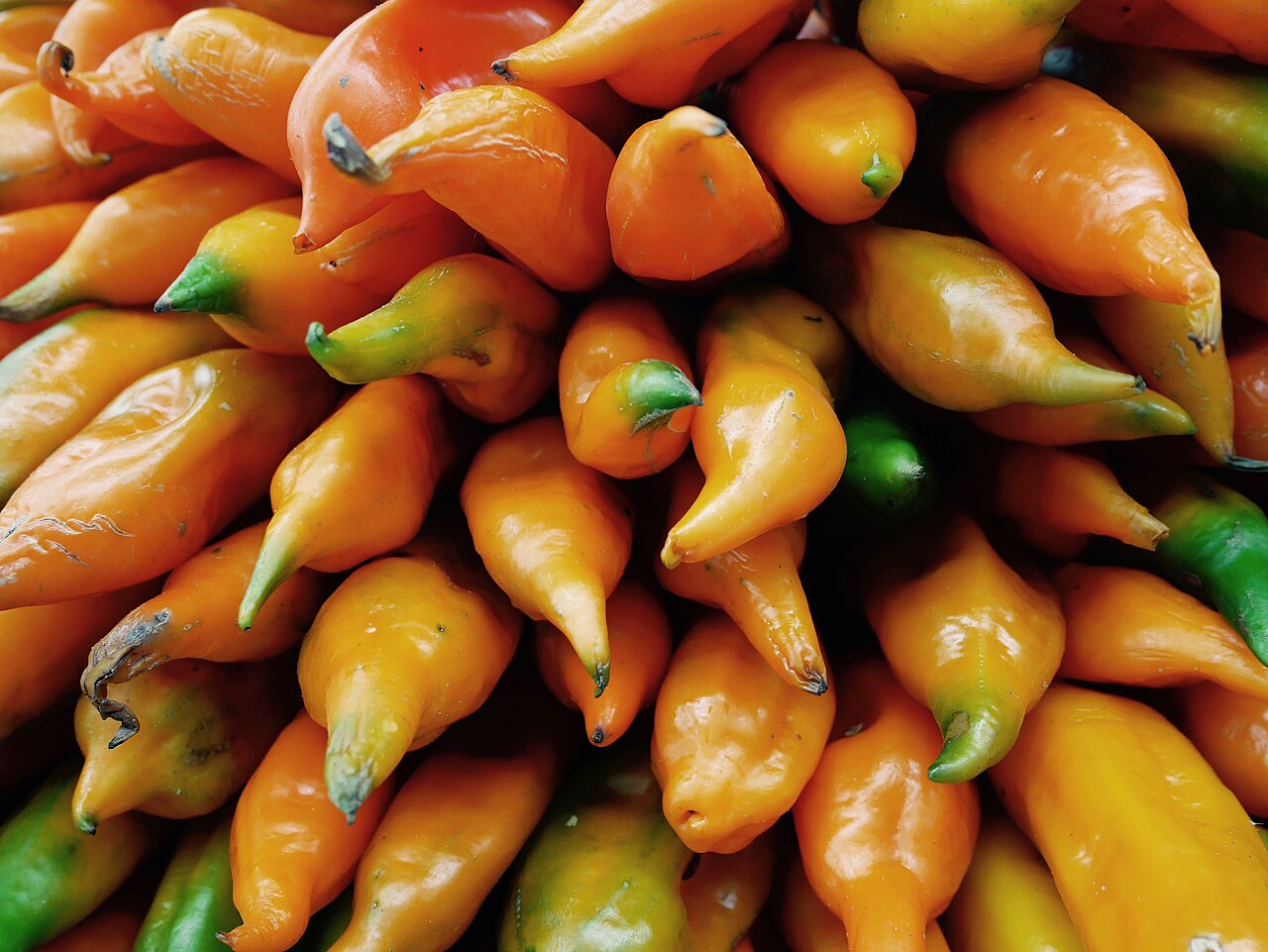
The term itself comes from Andalusi Arabic *es-scabéŷ*, which traces back to the Persian *skebaj* or *sikbaj*—a sweet-and-sour meat dish made with vinegar and honey or date molasses. This cooking method traveled through the former Portuguese and Spanish empires, becoming especially popular in Latin America and the Philippines. In Jamaica, the dish is called escoveitch or escovitch fish, where fish or seafood is marinated in vinegar with onions, carrots, chayote, pimento, and Scotch bonnet peppers. Italy has *scapece* or *savoro*, Greece (particularly the Ionian Islands) uses *savoro*, and North Africa knows it as *scabetche*.
In Spain, escabeche has evolved with local twists, and in Portugal it is often called *molho à espanhola* ("Spanish sauce"), spiced with peppercorns, chilies, peppers, onions, garlic, and sliced carrots. The dish is also popular in the Philippines and Guam, where it stays close to the original Spanish technique but uses local fish. Italy’s *scapece alla vastese*, from the Abruzzo region, uses fried mackerel or oily fish immersed in vinegar and saffron for a bright yellow color.
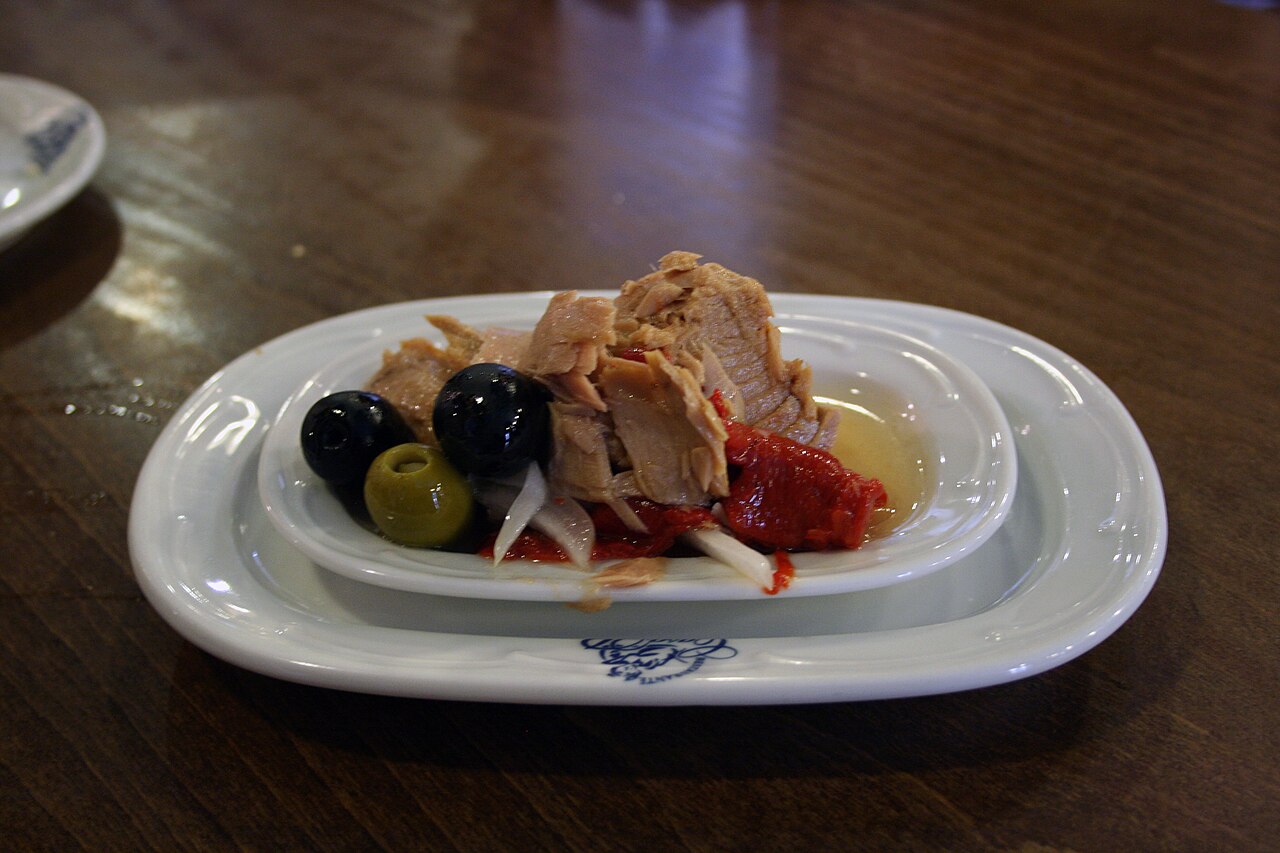
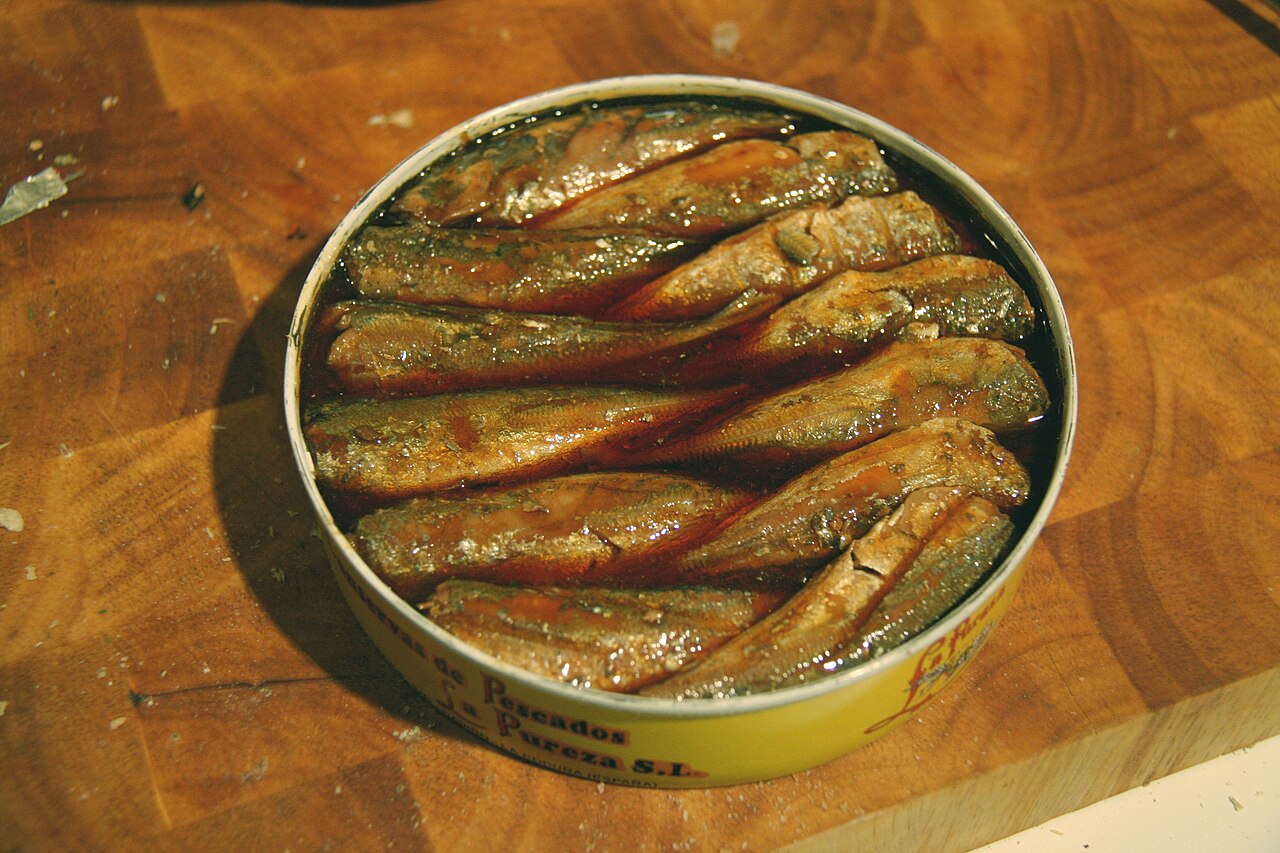
In Peru, escabeche is typically poached or fried, then served cold after a long marination in the refrigerator. The acidic marinade is usually vinegar but can include citrus juice, as a pH of 4 or lower prevents spoilage. This method is common for canned or potted fish like mackerel, tuna, bonito, or sardines. In the Philippines, fish escabeche is a sweet-and-sour dish marinated with ginger, vinegar-water, sugar, carrot, red bell pepper, ground pepper, and onion, and garnished with atchara. José Rizal’s letters from his 1892 Dapitan exile mention fish escabeche as part of a *merienda cena* alongside other dishes. In South Africa, the Cape Malay community makes *Kerrievis* (curried fish) or Pickled Fish, where battered and deep-fried hake, sno
- origin
- Andalusi Arabic es-scabéŷ, from Persian skebaj/sikbaj
- cuisines
- Spanish, French, Portuguese, Italian, Filipino, Hispanic American
- common_ingredients
- Vinegar, paprika, citrus, spices
- typical_proteins
- Fish, seafood, chicken, rabbit, pork, vegetables
- variations
- Escoveitch in Jamaica, scapece in Italy, savoro in Greece, scabetche in North Africa, kerrievis in South Africa
Lore & Background
In Spain and throughout the Americas, many variations exist, including frying the main ingredient before marinating it. Escabeche of seafood, fish, chicken, rabbit, pork, and vegetables are common in Spain, the Caribbean and Portugal. Eggplant escabeche is common in Argentina. The dish, inherited from the Spanish and Portuguese during the colonial era, is known as escoveitch or escovitch fish in Jamaica, where fish and seafood are marinated in a sauce of vinegar, onions, carrots, chayote, pimento, and Scotch bonnet peppers.
Reader's Guide
Escabeche is well represented in Portugal, frequently by the name molho à espanhola, usually spiced with peppercorns, chillies, peppers, onions, garlic and sliced carrots. The dish is popular in the Philippines and Guam, where it is similar to the original Spanish version, using locally available fish but respecting the original technique. In Italy, scapece alla vastese from Abruzzo uses mackerel and oily fish fried then immersed in vinegar and saffron. In Peru, escabeche is usually poached or fried, then served cold after marinating in a refrigerator. Fish escabeche is also a Filipino cuisine version of sweet and sour fish, marinated in ginger, vinegar-water, sugar, carrot, red bell pepper, ground pepper, and onion, and garnished with atchara. In South Africa, a version called kerrievis or pickled fish is made by the Cape Malay community, pickling battered and deep-fried hake, snoek or yellowtail in a curried sauce with vinegar, sugar, onions, and Cape Malay spices.
Did You Know?
- The word escabeche originates from Andalusi Arabic es-scabéŷ, ultimately from Persian skebaj/sikbaj.
- In Jamaica, escabeche is known as escoveitch or escovitch fish.
- Eggplant escabeche is common in Argentina.
- In South Africa, a version called kerrievis (curried fish) is made by the Cape Malay community.
A Persian Word That Circumnavigated the World
The name escabeche carries a linguistic pedigree that spans continents and centuries. Its deepest root is Persian: skebaj or sikbaj, the name of a cherished meat dish prepared in a sweet-and-sour sauce built on vinegar and honey or date molasses. That term crossed into Andalusi Arabic, the tongue of Muslim Iberia, surfacing as es-scabéŷ, before being absorbed into both Spanish and Portuguese, where it came to designate the wider family of acid-marinated preparations known today. The word's migration tracks the technique's own. As Portuguese and Spanish empires stretched their influence across oceans, the escabeche method rode with colonizers, merchants, and settlers, embedding itself in Latin American, Caribbean, and Filipino kitchens. In Jamaica it resurfaces as escoveitch or escovitch; in Italy as scapece or savoro; in the Ionian Islands of Greece as savoro; and in North Africa as scabetche. Every local name is a living fossil of that original Persian kitchen concept, reshaped by centuries of trade, conquest, and culinary exchange.
One Recipe, a Dozen Identities
Perhaps escabeche's most fascinating quality is how each adopting culture has pressed its own identity onto the dish while keeping the acid-marination principle intact. In Portugal the preparation is often called molho à espanhola, literally "Spanish sauce," and is seasoned with peppercorns, chillies, peppers, onions, garlic, and sliced carrots. In Italy's Abruzzo region, Scapece alla vastese calls for mackerel and other oily fish that are fried before being submerged in a vinegar-and-saffron bath, producing the dish's signature deep golden hue. The Cape Malay community of South Africa prepares Kerrievis, or Pickled Fish, by battering and deep-frying hake, snoek, or yellowtail, then pickling the result in a curried sauce of vinegar, sugar, onions, and distinctive Cape Malay spices. In Jamaica, escoveitch fish folds Scotch bonnet peppers, chayote, and pimento into its tangy marinade. Even in Argentina, where eggplant takes the lead role, the acidic framework remains unmistakably the same. Each version is a local conversation with a shared ancestral recipe.
Acid as Architecture: Technique and Preservation
At its technical core, escabeche is a preservation and flavoring method organized around acidity. The principal ingredient—fish, meat, or vegetables—may be cooked, fried, or poached before being immersed in an acidic marinade. Vinegar is the most common acid, though citrus juice frequently substitutes or supplements it. This is not merely a matter of taste: holding the pH at four or below effectively halts microbial decomposition, making escabeche a practical conservation technique that predates modern refrigeration. In Peru, the finished dish is routinely refrigerated overnight or longer after poaching or frying, giving the acid time to penetrate and the flavors to meld. The marinade is typically enriched with paprika, garlic, onions, and a range of spices, and in many traditions the main ingredient is fried first so that a crisp exterior contrasts with the tangy interior. The method also lends itself naturally to shelf-stable products: canned or potted preserved fish such as mackerel, tuna, bonito, and sardines are frequently presented in escabeche style, extending the dish's life well beyond the fresh market.
Colonial Inheritance and Living Memory
Escabeche's global footprint is inseparable from the history of Spanish and Portuguese colonial expansion. The technique was inherited by colonies across the Americas and the Philippines, where it became woven into everyday cooking. In the Philippines and Guam, both former Spanish Viceroyalties, the dish closely mirrors the original Spanish version, substituting locally caught fish while faithfully honoring the ancestral method. In the Caribbean, it became a staple of seafood cooking, with shrimp and lobster joining fish in the acidic marinade. The dish even surfaces in the literary record: during his 1892 exile in Dapitan, the Filipino national hero José Rizal referenced fish escabeche in the letters within his novels, listing it alongside tinolang manok, tsokolate, suman malagkit, and other regional fare as part of a merienda cena. In South Africa, the Cape Malay community carries forward a curried variant that blends Islamic culinary traditions with the Iberian marinating technique. In each case, escabeche is not simply a recipe but a living record of migration, adaptation, and cultural memory.
Gallery

Frequently Asked Questions
What is Escabeche (Escoveitch) in Jamaican cooking?
In Jamaica, the dish goes by the name "Escoveitch" and involves fish, meat, or vegetables that are cooked or pickled in a tangy vinegar-based sauce. It is seasoned with paprika, citrus, and assorted spices to produce a bright, piquant result.
Where does the word "Escabeche" originally come from?
The term descends from the Andalusi Arabic *es-scabéŷ*, which in turn traces back to the Persian *skebaj* or *sikbaj*. This layered etymology mirrors the dish's centuries-long journey through Mediterranean trade routes and into Caribbean kitchens.
What are the core ingredients you'll find in a Jamaican Escoveitch?
The foundation is a protein or vegetable base—commonly fish, chicken, pork, or rabbit—paired with vinegar, paprika, citrus, and a blend of warm spices. That acidic, spiced marinade is the defining element shared by every regional version of the dish.
How is Escoveitch typically prepared?
The main ingredient is usually fried first and then submerged in the seasoned vinegar sauce to marinate, a method it shares with Spanish and other Hispanic American preparations. The marinating step lets the acidic liquid seep in, tenderizing the food while infusing it with flavor.
How does Jamaican Escoveitch relate to escabeche dishes elsewhere in the world?
It sits within a wide family of analogous preparations found in Spain, France, Portugal, Italy, the Philippines, and across Hispanic America, where local names include scapece, savoro, and scabetche. Though the protein, spice profile, and regional twists differ, the vinegar-based marinade remains the common thread binding them all.
More in Jamaican cuisine 1-24
Spotted an error? Know more?
This is a living reference — every entry is fact-audited, and reader corrections feed straight into our audit queue. Suggest an edit · See this site's audit record