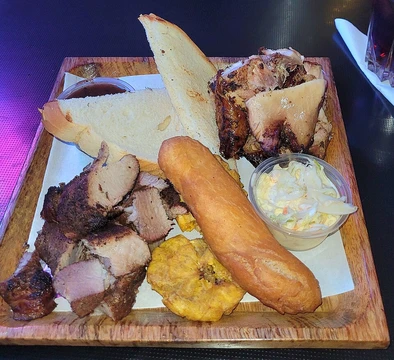
Corn soup
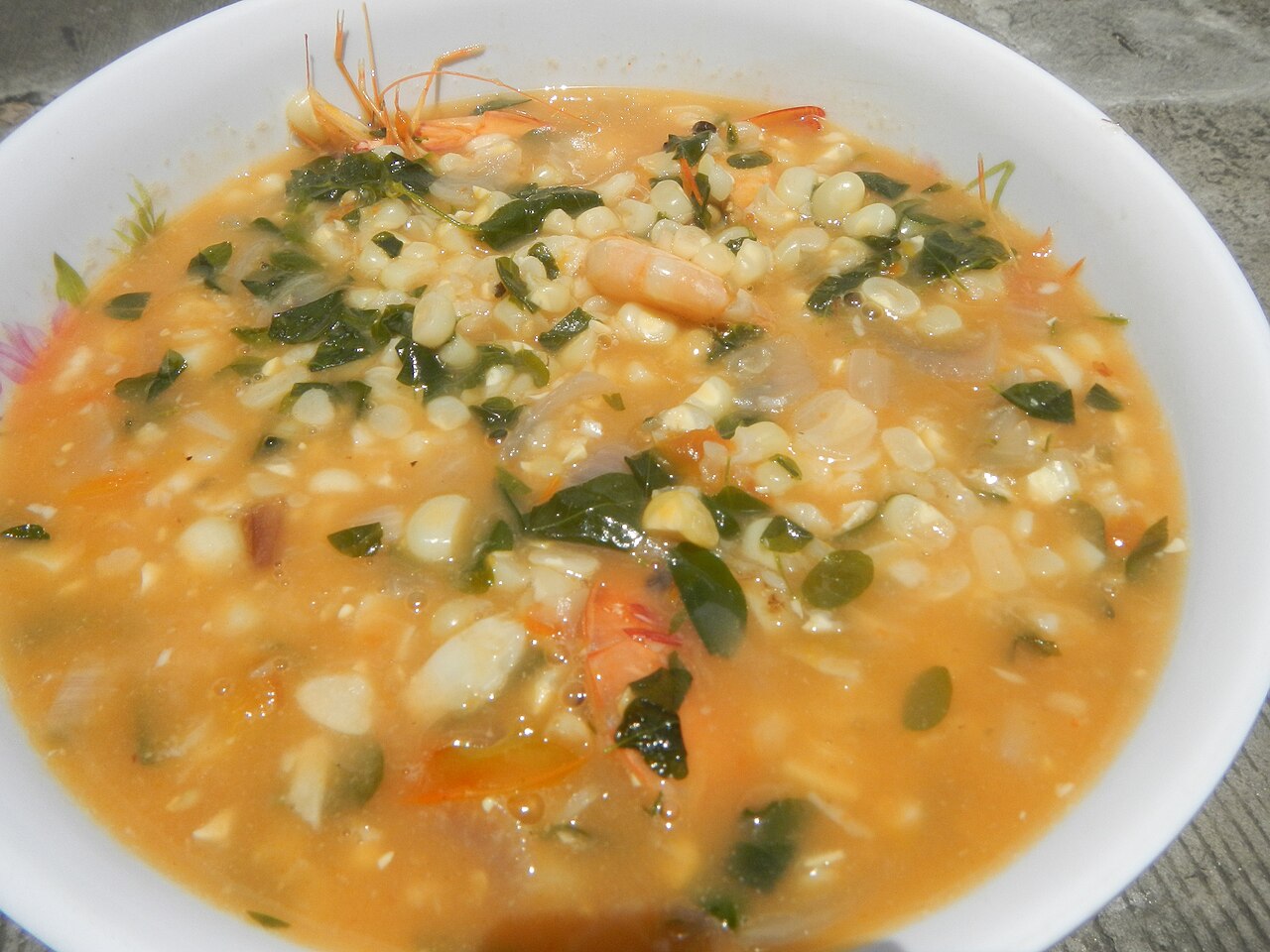
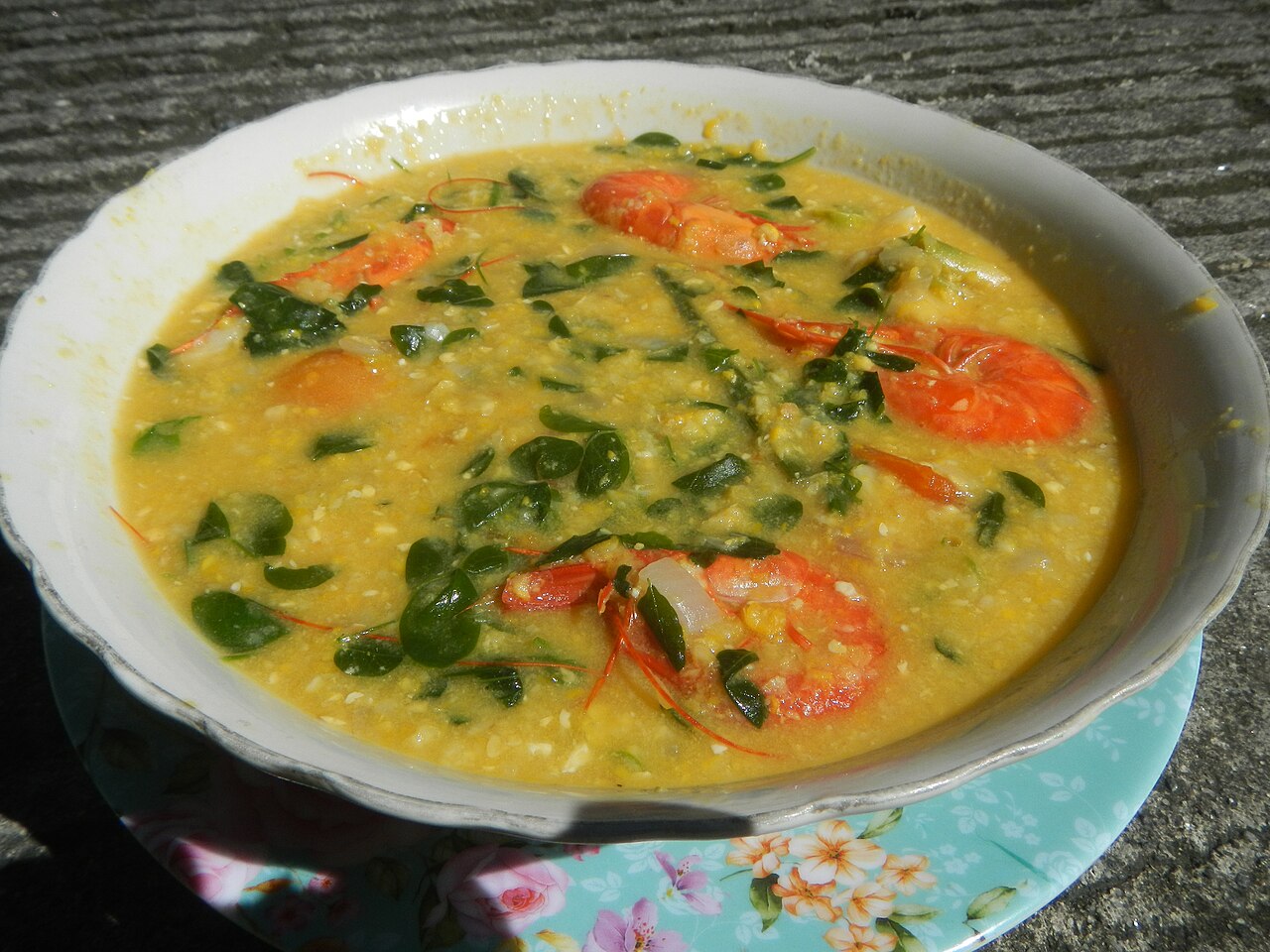
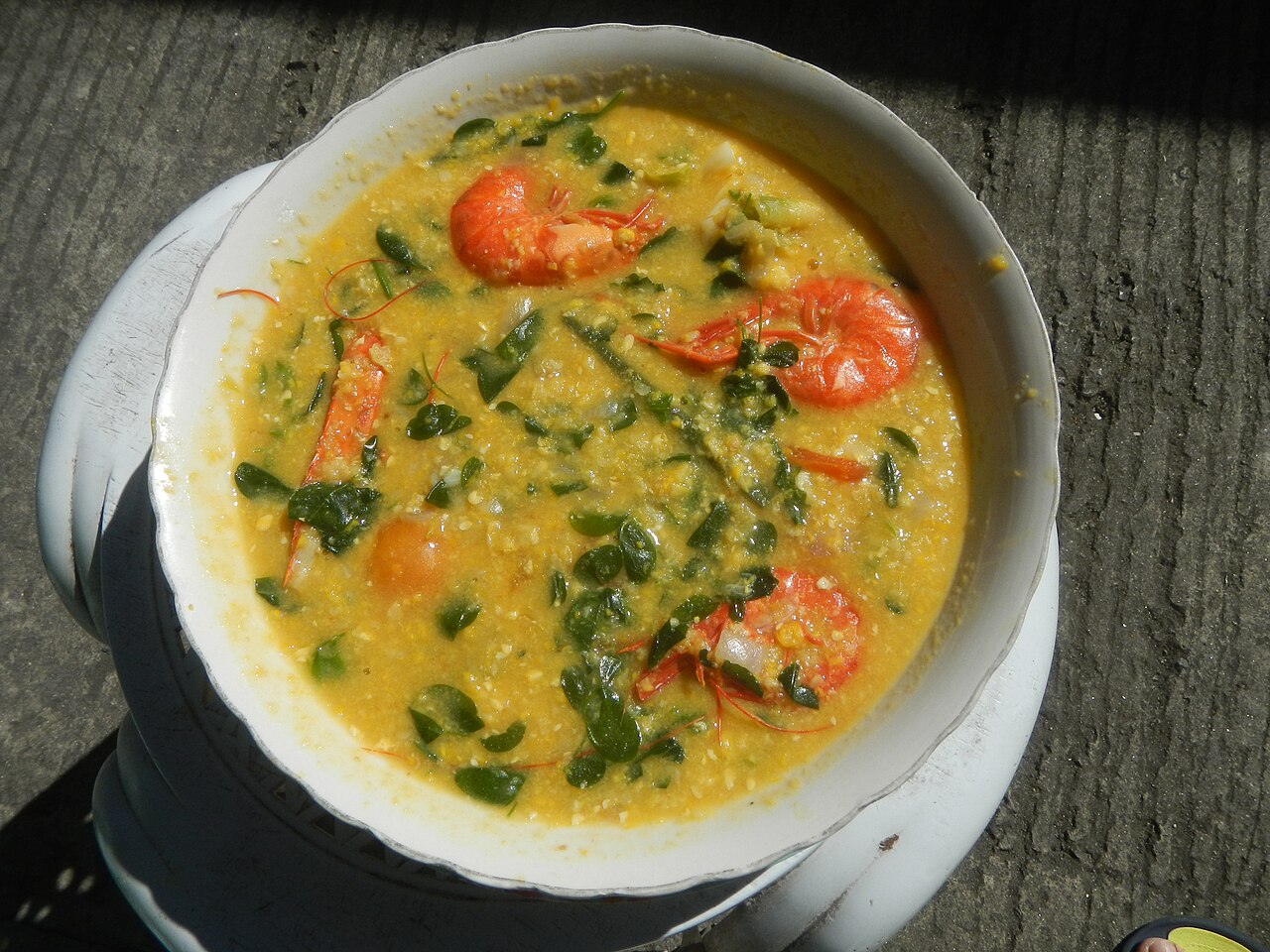
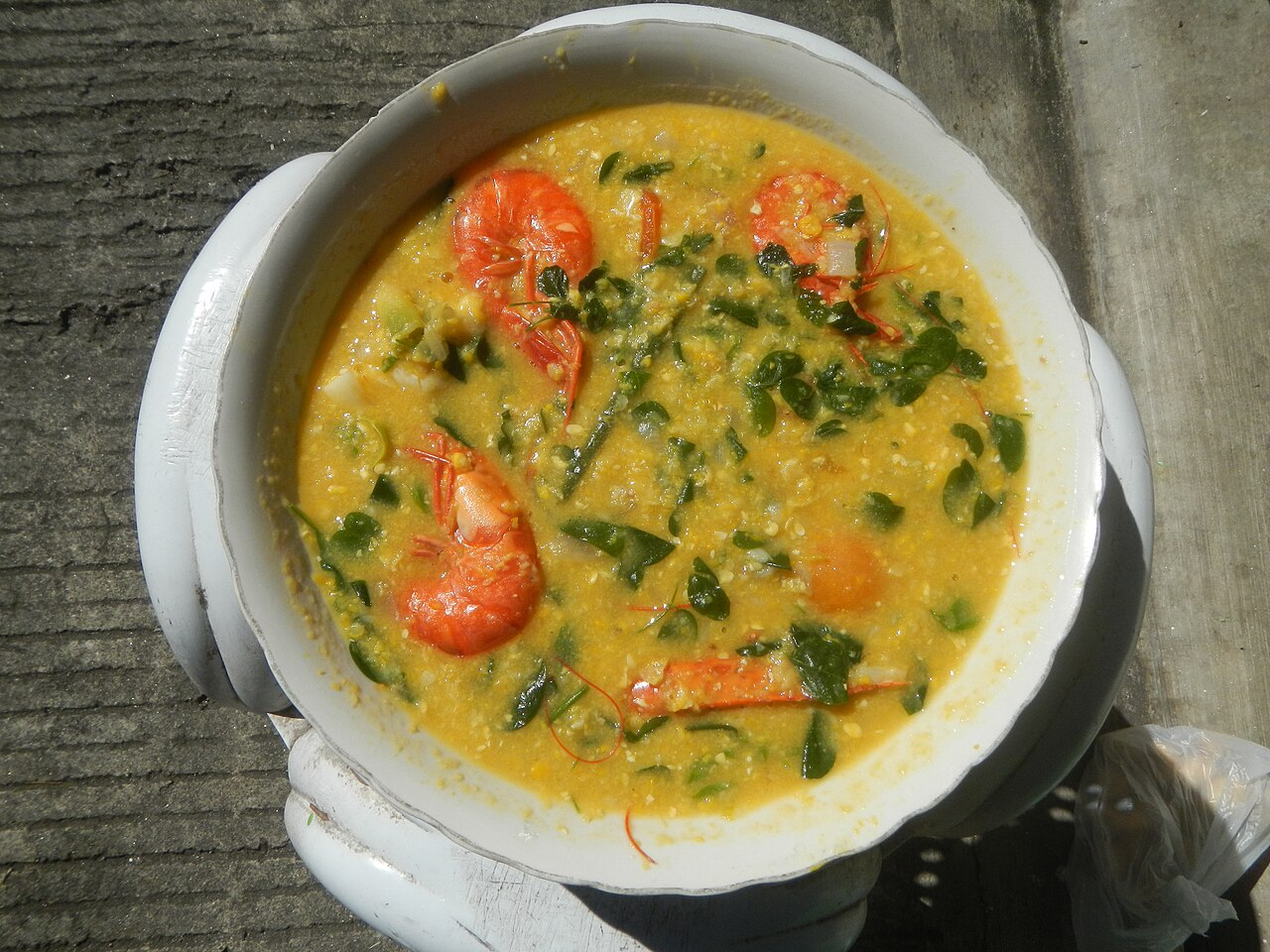
Corn soup is a widespread dish made from dried corn, often called hominy corn.

Judgefloro · CC0
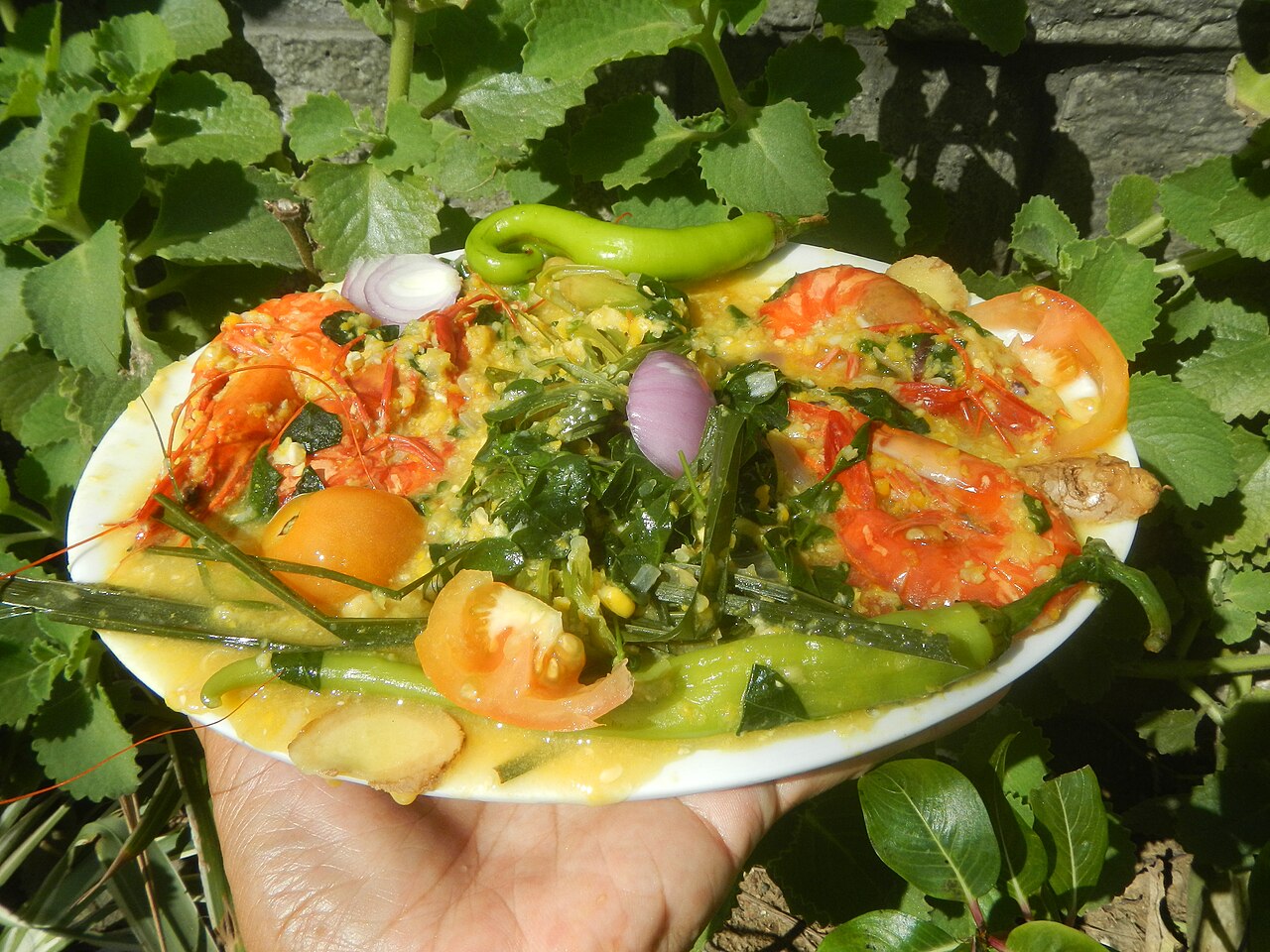
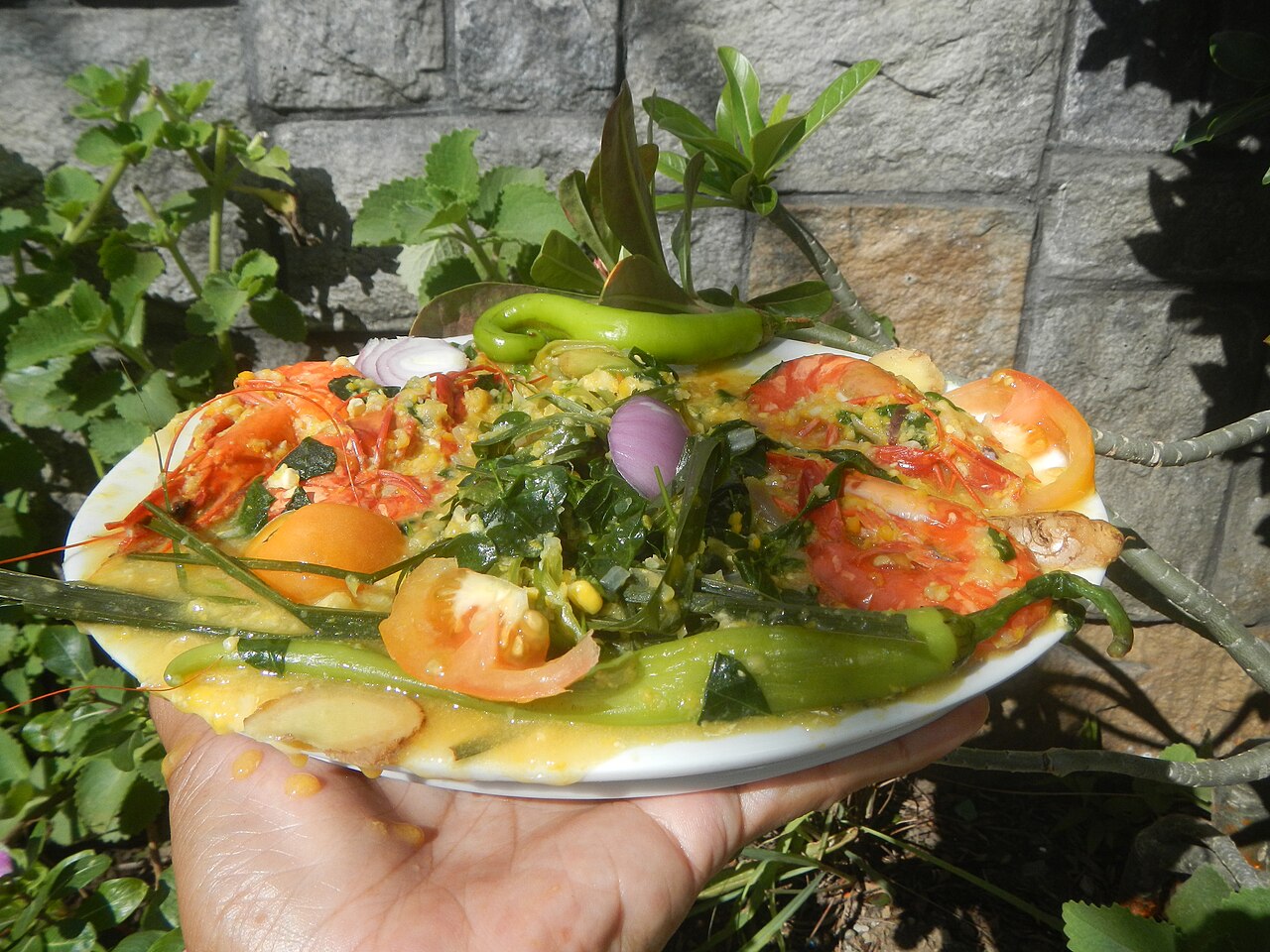
Corn soup is a dish made primarily from dried corn (often called 'corn' or 'hominy corn'), not sweet corn. Once common mainly in regions where corn was grown, it has become widely available due to improved corn distribution. The basic recipe includes dried corn, water, coconut milk, scallion, thyme, salt, and pepper. Depending on the region, other ingredients—such as meat or dumplings—may be added.
Among Native Americans, corn soup has long been a staple. For the Seneca, a hulled-corn soup called *onno'kwǎ* was the most popular dish as of 1908, according to M. R. Harrington. He noted that the soup was served at nearly every gathering, whether religious or social, with each person receiving a ladleful each time they circled the kettle.
There are many regional variations of corn soup. These include cream of corn soup, sweet corn soup, corn crab soup, Chinese sweet corn soup (also called yumigeng or sumigeng), dried Indian corn soup, Peruvian patasca (a corn and meat soup), Mexican pozole, Tibetan style corn soup (Ashom Tang), Suam na mais, Ginataang mais, and Chicken Corn Soup (a Pennsylvania Dutch soup that uses hard-boiled egg whites instead of noodles). Related dishes include corn chowder and corn stew.
- primary_ingredient
- Dried corn (hominy corn)
- typical_ingredients
- Dried corn, water, coconut milk, scallion, thyme, salt, pepper
Lore & Background
Corn, being a staple crop for many Native American tribes, has led to corn soup being a primary food among them. M. R. Harrington reported that in 1908 hulled-corn soup onno'kwǎ' was the most popular dish for the Seneca Indians (Native Americans). He also stated, "[s]eldom do the Indians, pagan or Christian, meet for any function [...] without a kettle of onno'kwǎ', hot and savory, to regale the crowd." The soup was served at religious events, the people getting a ladleful every time they encircled the kettle.
Several types of soups are prepared using corn as a primary ingredient. These include cream of corn soup, sweet corn soup, corn crab soup, Chinese sweet corn soup (yumigeng or sumigeng), dried (Indian) corn soup, patasca (Peruvian corn and meat soup), pozole (Mexican corn soup), Tibetan style corn soup (Ashom Tang), suam na mais, ginataang mais, and chicken corn soup (a Pennsylvania Dutch soup with hard-boiled egg whites instead of noodles).
Reader's Guide
Corn soup's significance lies in its global adaptation from a regional staple to a widespread comfort food. Its origins in corn-producing areas, particularly among Native American tribes like the Seneca, highlight its deep cultural roots. The soup's versatility is evident in the many regional variations—from Peruvian patasca with meat to Filipino ginataang mais with coconut milk, and Chinese sweet corn soup. The dish's role in Seneca religious gatherings, where it was served as participants circled a kettle, underscores its communal and ceremonial importance. Today, corn soup remains a simple yet adaptable dish, reflecting the global distribution of corn and the creativity of cooks worldwide. Its legacy is one of cultural exchange and culinary continuity, bridging traditional and modern cuisines.
Did You Know?
- M. R. Harrington reported that in 1908 hulled-corn soup onno'kwǎ' was the most popular dish for the Seneca Indians.
- The soup was served at religious events, with people getting a ladleful every time they encircled the kettle.
- Chicken corn soup is a Pennsylvania Dutch soup that uses hard-boiled egg whites instead of noodles.
- Corn soup is initially popular only in corn-producing areas of the world.
Corn in Daily Jamaican Sustenance
Corn occupies a humble but essential position in the everyday Jamaican kitchen. It appears in its most straightforward form—simply roasted or boiled—served as a plain side or quick snack. Beyond that, cornmeal becomes a foundational ingredient in porridge, a popular comfort preparation that can be flavoured with oatmeal, peanut, banana, plantain, or hominy corn, giving the dish a range of textures and mild sweetness. Cornbread, described as a golden sweet bread, offers a baked counterpart, while turned cornmeal represents yet another preparation method that stretches the grain into a distinct dish. These items sit alongside staples like rice and peas, the most commonly consumed rice style and a Sunday fixture in most households, and stew peas made from red kidney beans. Together, corn-based preparations form a quiet backbone of daily meals, appearing in both savoury and mildly sweet contexts without ever demanding the spotlight that dishes like jerk chicken or the national dish of ackee and saltfish command.
Multicultural Roots of Corn on the Island
Jamaican cuisine is the product of an extraordinary convergence of peoples and traditions. The island's cooking draws on techniques, flavours, and ingredients carried by the Taíno indigenous inhabitants, as well as Spanish, Portuguese, French, Scottish, Irish, English, African, Indian, Chinese, and Middle Eastern communities who settled there over centuries. Crops and livestock were introduced from Mesoamerica, Europe, tropical West Africa, and Southeast Asia, and many of these are now grown locally on the island. Corn, a grain with deep roots in Mesoamerican agriculture, fits naturally into this layered history. While the cuisine preserves distinct dishes traceable to individual cultural lineages, a great many preparations are genuine fusions—blending methods, seasonings, and traditions from multiple sources into a single plate. The result is a food culture where a simple boiled ear of corn or a bowl of cornmeal porridge carries the weight of centuries of migration, adaptation, and creative blending.
Corn in Sweet Preparations and Desserts
While corn in Jamaica is most often encountered as a savoury or neutral staple, it also finds a place in the island's rich dessert tradition. Cornmeal pudding stands as a straightforward sweet preparation, joining a long list of confections that include banana bread, coconut macaroons, guava cheese, and the dense, layered, slightly sweet Jamaican Gratto bread with its chewy texture. Jackass corn, listed among the island's sweets, represents another corn-based treat that speaks to the grain's versatility beyond the main plate. The broader dessert culture is deeply tied to specific occasions: spice buns and Easter buns are enjoyed during the Easter season, while smaller buns and round loaves are consumed throughout the year. Devon House ice cream, available in flavours like grape nut, rum and raisin, and stout, and tamarind balls lightly coated in sugar, round out a sweet landscape in which cornmeal pudding and jackass corn hold their own modest but cherished positions.
Corn Within the Wider Jamaican Table
Corn does not exist in isolation on the Jamaican table; it is one thread in a vast tapestry of available ingredients. The island offers a wide variety of seafood, tropical fruits, and meats that surround and complement grain-based dishes. The national dish, ackee and saltfish made from the local ackee fruit and dried cod, sits alongside jerk meats of chicken and pork, coconut curries featuring shrimp, fish, lobster, and chicken, and the ubiquitous rice and peas. Street food culture adds its own dimension: pan chicken—jerked chicken sold by vendors alongside hard dough bread—and roasted or raw peanuts as casual snacks. In this context, a plate of roasted corn or a bowl of hominy corn porridge is part of a broader ecosystem of flavours, from the spicy red peppered shrimp to the dense, savoury Jamaican patty filled with curried goat or lobster. Corn's role is supporting but essential, grounding the table's more dramatic offerings.
Gallery
Frequently Asked Questions
What is Corn soup and what is it made from?
Corn soup is a Jamaican dish built around dried corn, commonly referred to as hominy corn, rather than the sweet corn you'd find in a salad. The base recipe calls for soaking and cooking that dried corn with water, coconut milk, scallion, thyme, salt, and pepper.
How is Corn soup different from a typical sweet-corn chowder?
The key distinction is the corn itself: Corn soup relies on dried hominy corn, which gives it a denser, earthier texture and flavor profile. Sweet corn chowders use fresh or canned sweet kernels, producing a much lighter, sweeter result.
What regional variations of Corn soup exist?
While the core dried-corn-and-coconut-milk base stays consistent, some areas enrich the pot with pieces of meat or fold in small dumplings. These additions are not universal and depend largely on local tradition and availability.
Why was Corn soup historically important?
It served as a long-standing staple for communities where corn was a primary crop, providing a filling, affordable meal from an ingredient that stored well. Improved distribution networks later made the dish accessible far beyond the regions that originally grew the corn.
Is Corn soup connected to any Indigenous food traditions?
Yes—among several Native American groups, corn-based soups have been dietary cornerstones for generations. For the Seneca people specifically, a hulled-corn soup known as onno'kwǎ was recorded as their most popular dish as early as 1908.
More in Jamaican cuisine 1-24
Spotted an error? Know more?
This is a living reference — every entry is fact-audited, and reader corrections feed straight into our audit queue. Suggest an edit · See this site's audit record