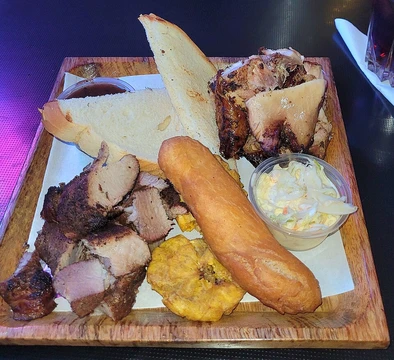
Duckanoo
A sweet Caribbean dessert wrapped in banana leaf.

Robert Valencia · CC BY-SA 2.0
Duckanoo, also known as duckunoo, tie-a-leaf, blue drawers, dokonon, or dukunou, is a sweet dessert found in Jamaica, Belize, Haiti, Antigua and Barbuda, St Vincent, French Guiana, and other islands of the Lesser Antilles. It is a variation of the tamale, which originated in Mesoamerica around 1000–500 BC, and reflects both Amerindian and African influences. Typically made from sweet potato, coconut, cornmeal, spices like cinnamon and nutmeg, brown sugar, and vanilla, the mixture is tied in a banana leaf and boiled in water.
- Origin
- Caribbean
- Type
- Dessert
- Main ingredients
- Sweet potato, coconut, cornmeal, cinnamon, nutmeg, brown sugar, vanilla
- Cooking method
- Boiled in banana leaf
- Related dish
- Tamale de dulce (sweet tamale)
- Cultural influences
- Amerindian and African
Lore & Background
Duckanoo originated in the Caribbean and is closely related to the Mesoamerican tamale de dulce, a sweet indigenous dessert popular in Mexico. The dish was adapted and influenced by West Africans brought to the Americas during slavery, particularly the Maroons and Garifunas, who intermingled with the Amerindians. In Belize, the dish is rooted in Mayan and African traditions. Corn and sweet potato, native to the Americas, were staples of Mesoamericans and cultivated by the Arawaks in the Caribbean, explaining their use as key ingredients.
Reader's Guide
Duckanoo holds significance as a cultural and historical marker of the blending of Amerindian and African culinary traditions in the Caribbean. Its variations across islands—such as ducana in Antigua and Barbuda, paime in Trinidad and Tobago, and dukunu in Belize—demonstrate regional adaptations while maintaining the core technique of boiling a sweetened cornmeal mixture in banana leaves. The dish is often associated with heritage celebrations, Easter, Christmas, and Creole Day in St Lucia. Its name 'blue drawers' refers to the bluish-green hue banana leaves take on after boiling, and the tied wrapping resembles old-fashioned underwear. The etymology also connects to the Ghanaian dish dokono, though that is made from fermented corn dough. Duckanoo exemplifies how indigenous and African foodways merged in the Caribbean, creating a dessert that persists as a symbol of cultural identity and continuity.
Did You Know?
- Duckanoo is also called 'blue drawers' because the banana leaves turn bluish-green when boiled, and the tied wrapping resembles old-fashioned underwear.
- The dish is a sweet variation of the tamale, which may date from around 100 AD according to archaeologists Karl Taube, William Saturno, and David Stuart.
- In Ghana, a dish called dokono or Odokono exists, made from fermented corn dough, and variations of its name have been adopted regionally for duckanoo.
- In Jamaica, duckanoo is sometimes called 'bollo/boyo' in Portland parish, derived from Cuban Spanish meaning 'bun'.
Roots in the Americas: A Fusion of Indigenous and African Traditions
Duckanoo did not emerge from a single culinary tradition but rather from centuries of cultural layering across the Caribbean. Its deepest roots stretch back to Mesoamerica, where tamale-making is documented as early as 8000 to 5000 BC. The sweet tamale, known as tamale de dulce or tamal dulce, was a beloved indigenous dessert, particularly in Mexico, and the savoury version may date to around 100 AD, according to archaeologists Karl Taube, William Saturno, and David Stuart. When West Africans were forcibly brought to the Americas through slavery and indentureship, they adapted these existing preparations. The Maroons and Garifunas, in particular, intermingled with Amerindian communities and reshaped the dish. In Belize, the result is a dessert explicitly rooted in both Mayan and African traditions. Corn and sweet potato—crops native to the Americas and long cultivated by Mesoamerican peoples—became central ingredients, a practice the Arawak people had already established in the Caribbean. The dish that emerged carries the fingerprints of at least three distinct civilizations.
A Name Worn Many Ways: Etymology and Local Nicknames
Duckanoo goes by dozens of names depending on where you are in the Caribbean and beyond. In French Guiana it is called dokonon; in Haiti, dukunou; in Belize, dukunu, tamalito, or ducunu—the last reportedly the Garifuna word for 'boiled corn.' In Jamaica, the most colourful nickname is 'blue drawers,' a reference to the bluish-green tint banana leaves develop after boiling. In Jamaican Patois, 'drawers' means underwear, and the tied leaf wrapping was said to resemble old-fashioned string-tied undergarments. In the Portland parish specifically, locals sometimes call it 'bollo' or 'boyo,' a term borrowed from Cuban Spanish meaning 'bun,' describing a seasoned roll of dough that is baked or boiled. Interestingly, a Ghanaian dish called dokono or Odokono in the Twi language—made from fermented corn dough—shares a similar name, though the two foods are entirely different. The name 'paime' appears in Trinidad and Tobago, while St Lucians know it as paime or penmi. These linguistic threads reveal how a single preparation migrated, mutated, and was rebranded across an entire archipelago.
Island by Island: A Patchwork of Recipes
Though the core concept—a sweet, spiced mixture wrapped in banana leaf and boiled—remains constant, each Caribbean island stamps its own identity onto the dish. In Jamaica, the filling often combines grated green banana, coconut, sweet potato, and cornmeal with coconut milk, brown sugar, and a blend of cinnamon, nutmeg, and anise; vanilla and optional raisins round it out, and an orange sauce may accompany the plate. The dish is most visible at cultural and heritage celebrations. In Haiti, doukounou straddles the line between sweet and savoury, incorporating eggs and a sweet sauce, and can appear at breakfast or as dessert. Antigua and Barbuda introduces eddoe or dasheen, and the dish is frequently paired with okra, eggplant, and bonavista bean during Easter meals. Trinidadian paime leans into pumpkin or plantain-flour substitutes and is a Christmas staple, while in St Lucia, penmi is reserved for Jounen Kwéyòl, or Creole Day. In Belize, street vendors on bicycles sell dukunu made with sweet corn, butter, and coconut milk, keeping the tradition mobile and accessible.
Beyond the Caribbean: Sweet Corn Dishes Across Latin America
The family of sweet, leaf-wrapped corn desserts extends far beyond the Caribbean. In Mexico, tamalitos and sweet tamales are prepared with masa rather than cornmeal, wrapped in corn husks, and flavoured with sugar, cinnamon, raisins, nuts, fruit preserves, cajeta, or chocolate. They appear on Día de la Candelaria, during Christmas, and as everyday street food; in Oaxaca they double as a breakfast item. The Tierra Caliente region of Michoacán and Guerrero contributes chepo or uchepo, a summer treat of corn, milk, and cinnamon that may be topped with tomatillo salsa, queso fresco, or sweetened condensed milk. Guatemala offers tamalitos de elote with brown sugar and cream, as well as tamal de cambray studded with raisins, almonds, or prunes for special occasions. In Honduras, a simple tamalito of corn, sugar, milk, and butter is a popular street snack. Nicaragua's yoltamal adds evaporated milk and fruit, while Costa Rica's tamal dulce de elote is baked in banana leaves for Christmas or Holy Week. In Brazil, pamonhas—indigenous to the northeast—grate corn with coconut milk and cinnamon, boiled in husks or leaves across states from Minas Gerais to Paraná.
Gallery
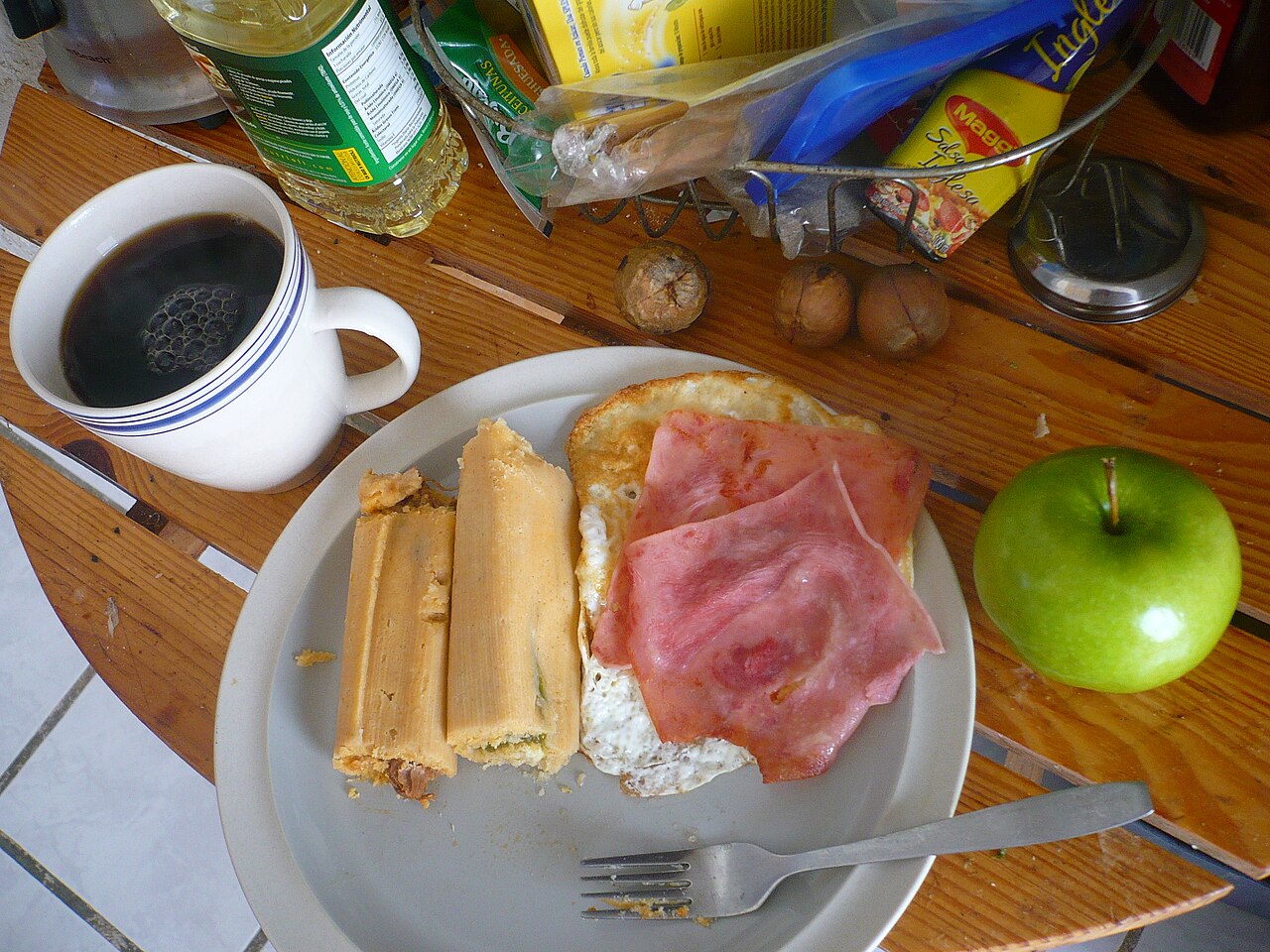
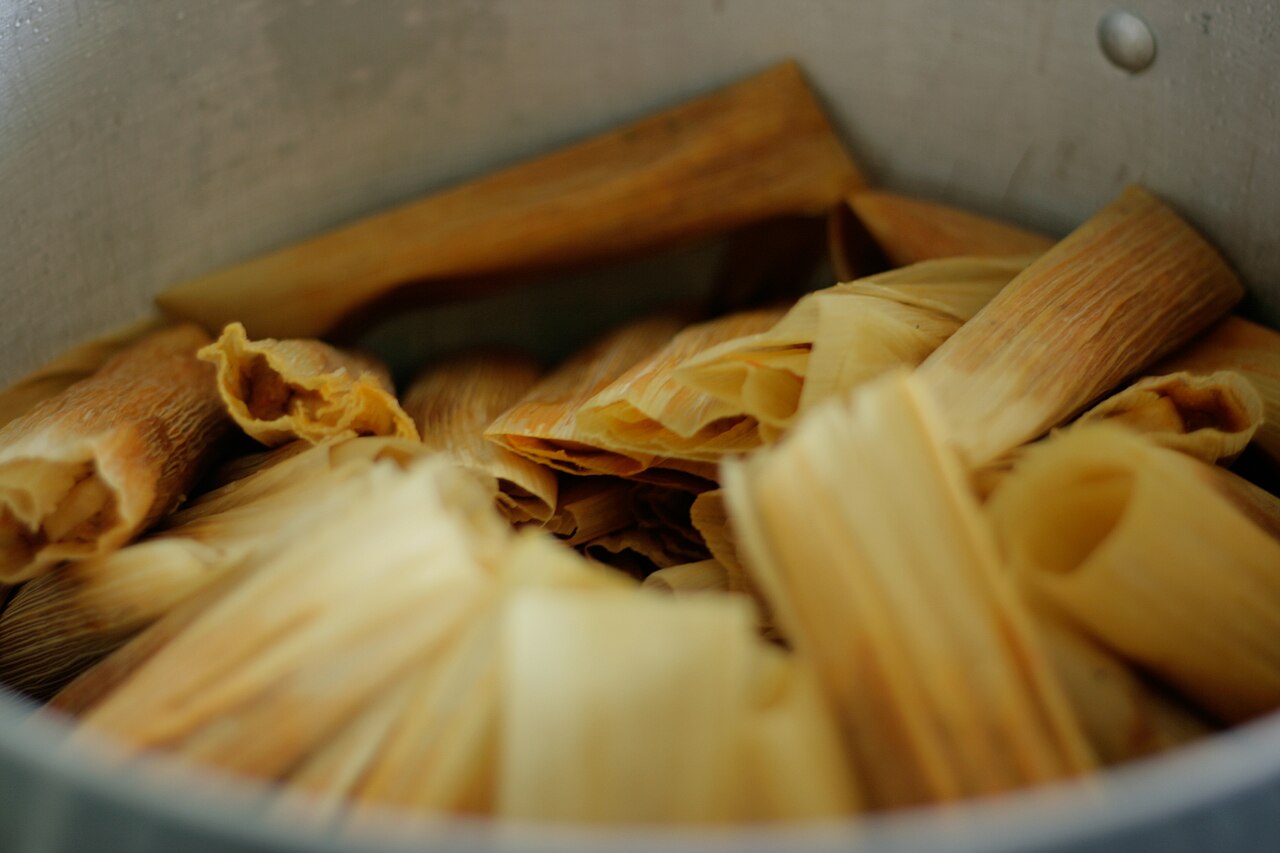
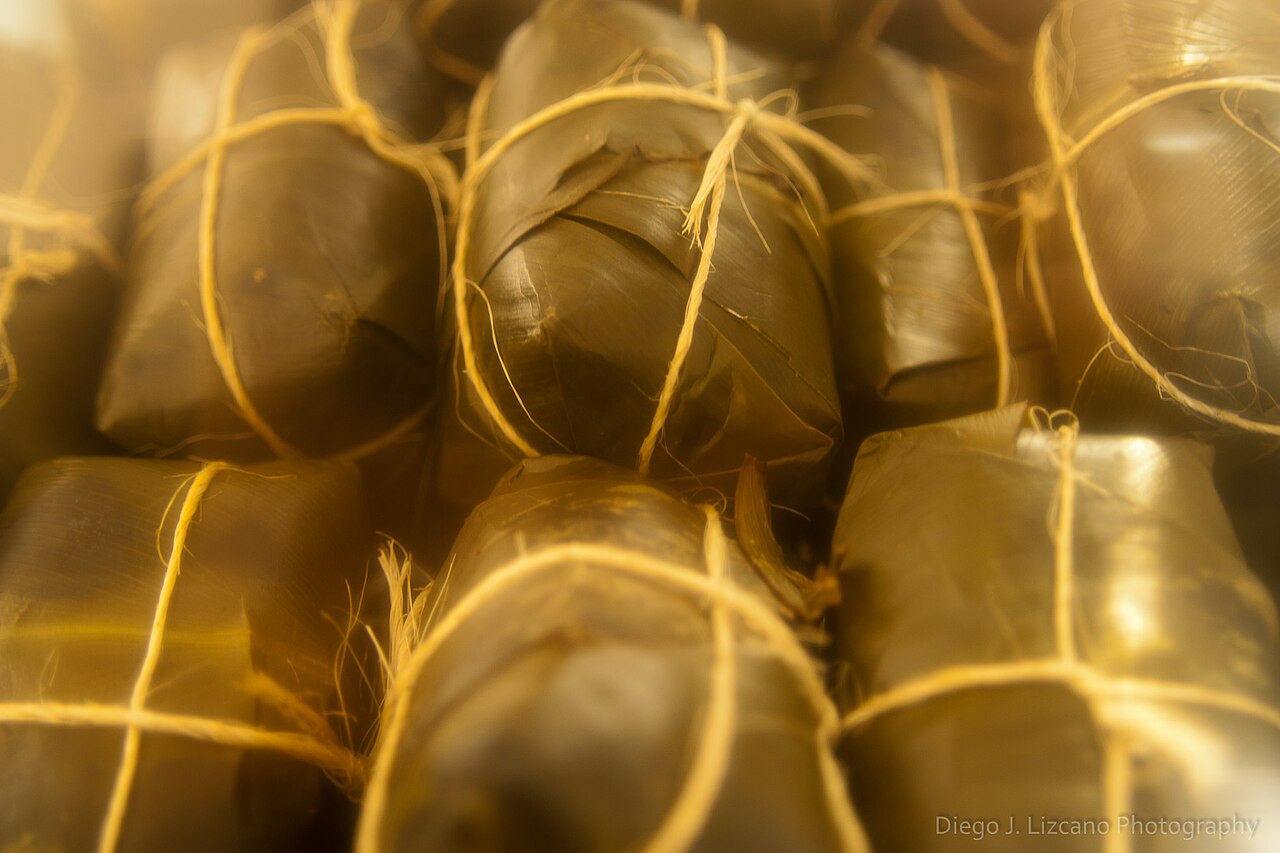
Frequently Asked Questions
What is Duckanoo?
Duckanoo is a sweet Caribbean dessert that evolved from the ancient tamale tradition, blending Amerindian and African culinary influences. It is prepared by wrapping a spiced, sweet mixture in a banana leaf and boiling it in water.
What are the main ingredients in Duckanoo?
The base typically combines sweet potato, coconut, cornmeal, brown sugar, and vanilla, seasoned with warm spices like cinnamon and nutmeg. All of these are mixed together before being wrapped and cooked.
How do you cook Duckanoo?
The sweet filling is tied up inside a banana leaf and then boiled in water until fully cooked. This leaf-wrapping and boiling technique is the signature preparation method across the islands where the dish appears.
Where does Duckanoo come from and where is it found?
Duckanoo originated in the Lesser Antilles and is enjoyed in Jamaica, Belize, Haiti, Antigua and Barbuda, St Vincent, French Guiana, and other Caribbean islands. It descends from the tamale tradition that dates back to Mesoamerica around 1000–500 BC.
What other names is Duckanoo known by?
Depending on the island, you may also see it spelled or called duckunoo, tie-a-leaf, blue drawers, dokonon, or dukunou. It is closely related to tamale de dulce, the sweet tamale found in neighboring regions.
More in Jamaican cuisine 1-24
Spotted an error? Know more?
This is a living reference — every entry is fact-audited, and reader corrections feed straight into our audit queue. Suggest an edit · See this site's audit record